Complete Japan Travel Guide 2025: From Tokyo to Kyoto and Beyond
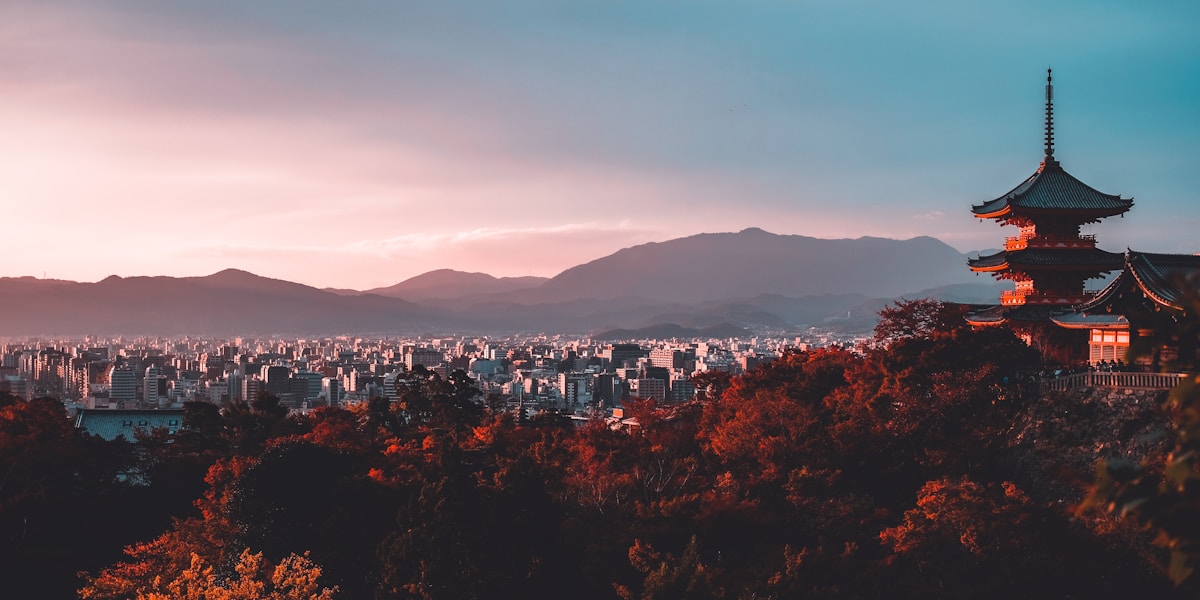
Why Japan Belongs on Your Travel Bucket List
Japan seamlessly blends ancient traditions with cutting-edge technology, creating a travel experience unlike anywhere else on Earth. From Tokyo's neon-lit skyscrapers to Kyoto's serene bamboo groves, from steaming bowls of authentic ramen to centuries-old tea ceremonies—Japan offers depth and diversity that rewards both first-time visitors and seasoned travelers.
The country's reputation for impeccable service, spotless streets, and remarkable safety makes it ideal for independent travelers. English signage has improved dramatically in recent years, especially in major cities and tourist areas. The real magic of Japan reveals itself in the details: the precision of a perfectly crafted sushi piece, the quiet respect observed at temples, the efficiency of trains running on exact schedules, and the genuine hospitality that defines Japanese culture.
The Essential Two-Week Itinerary
This route covers Japan's highlights while allowing time to appreciate each destination's unique character.
Tokyo (4-5 days)
Japan's capital deserves substantial time. Start in Shibuya to experience the famous scramble crossing and vibrant youth culture. Explore traditional Asakusa with its magnificent Senso-ji Temple, where incense smoke fills the air and fortune-telling strips flutter in the breeze. Visit the tranquil Meiji Shrine nestled in forest grounds, then contrast it with the electric atmosphere of Akihabara's electronics district.
Don't miss the Tsukiji Outer Market for exceptional sushi breakfasts, even though the inner wholesale market relocated. Shinjuku offers everything from serene gardens to the densest concentration of skyscrapers in Japan. For an authentic local experience, explore residential neighborhoods like Shimokitazawa or Yanaka, where traditional shotengai shopping streets reveal everyday Japanese life.
Hakone or Nikko (2 days)
Take a day trip from Tokyo or stay overnight in one of these mountain destinations. Hakone offers stunning Mount Fuji views (weather permitting), traditional hot spring baths called onsen, and scenic cable car rides across volcanic valleys. Nikko features elaborate shrines including the famous Toshogu Shrine with its intricate gold leaf decorations and the peaceful Lake Chuzenji.
Kyoto (4-5 days)
Japan's cultural heart deserves extended exploration. The Golden Pavilion (Kinkaku-ji) lives up to its fame, especially when reflected in the surrounding pond. Fushimi Inari Shrine's thousands of red torii gates create corridors up the mountainside—arrive early before crowds descend.
Explore the Arashiyama bamboo grove in morning light, visit the rock garden at Ryoan-ji for meditation and contemplation, and wander the traditional streets of Gion hoping to spot geiko (geisha) heading to evening appointments. The Philosopher's Path offers a pleasant walk connecting several temples, particularly beautiful during cherry blossom season.
Osaka (2-3 days)
Known as "Japan's Kitchen," Osaka lives up to its reputation for exceptional food. Try takoyaki (octopus balls) and okonomiyaki (savory pancakes) at street stalls in Dotonbori, where enormous animated signs light up the canal district. Osaka Castle provides historical context and excellent city views. The Kuromon Market offers incredible fresh seafood and local specialties.
Consider day trips to nearby Nara to meet the friendly (sometimes aggressive) bowing deer and visit Todai-ji Temple with its massive bronze Buddha, or explore Himeji Castle, Japan's most spectacular original castle and a UNESCO World Heritage site.
Transportation: Mastering the Japan Rail System
The JR Pass Decision
The Japan Rail Pass offers unlimited travel on JR trains, including most shinkansen (bullet trains). Calculate your planned routes—if you're making the Tokyo-Kyoto round trip plus additional journeys, the pass typically pays for itself. Purchase before arriving in Japan as it's significantly more expensive to buy domestically.
The 7-day pass works for concentrated travel; the 14-day or 21-day passes suit more leisurely exploration. Note that the super-fast Nozomi and Mizuho shinkansen aren't covered, but the Hikari trains on the same route add only 20-30 minutes.
Navigating City Transit
Tokyo and Kyoto have different systems. Tokyo uses multiple companies (JR, Tokyo Metro, Toei Subway), while Kyoto relies heavily on buses alongside limited subway lines. Purchase IC cards like Suica or PASMO—they work across almost all public transit nationwide and can pay for convenience store purchases.
Download Google Maps or the Japan Transit Planner app. Both provide accurate schedules and platform information. Trains run remarkably on time—if your app says a train departs at 10:07, it truly leaves at 10:07, not 10:08.
Staying Connected in Japan
Reliable internet access transforms your Japan experience from confusing to seamless. While many hotels, cafes, and convenience stores offer WiFi, coverage gaps create frustration precisely when you need directions most.
Pocket WiFi rental used to be the standard solution, but requires airport pickup and return with device charging concerns. RoamBest eSIM offers a superior alternative—activate before departure, land with instant connectivity, and enjoy high-speed data across Japan without juggling extra devices.
Real-time translation apps have become remarkably effective. Google Translate's camera feature instantly translates menu text and signs. Having constant connectivity means navigating complex train systems, discovering hidden restaurants, and making reservations becomes manageable even with minimal Japanese language skills.
Cultural Etiquette: Essential Knowledge
Temple and Shrine Behavior
Remove shoes when entering temple buildings (look for rows of shoes as your cue). At shrines, purify hands and mouth at the water pavilion before approaching—watch others to learn the sequence. Bow respectfully, toss a coin, and bow again. Photography is usually permitted outside but restricted inside temple buildings.
Dining Customs
Slurping noodles is not only acceptable but signals appreciation. Say "itadakimasu" before eating and "gochisousama" after finishing. Don't stick chopsticks vertically in rice—this resembles funeral rituals. Tipping isn't customary and can cause confusion or embarrassment.
Public Behavior
Talking on phones on trains is considered rude; everyone texts instead. Lines form naturally—respect them always. Remove backpacks on crowded trains to create space. Eating while walking is frowned upon; find a spot to stop or stand near the vendor. Keep voices moderate in restaurants and public spaces.
Seasonal Considerations
Spring (March-May)
Cherry blossom season draws massive crowds but delivers unforgettable beauty. Tokyo blooms typically peak in late March to early April; Kyoto follows about a week later. Book accommodation months in advance and expect premium pricing. The flowers last only 7-10 days at their peak.
Summer (June-August)
Hot and humid, particularly in Tokyo and Kyoto. The rainy season in June brings persistent drizzle. August means festivals and fireworks but also oppressive heat. Northern Hokkaido offers relief with cooler temperatures.
Autumn (September-November)
Arguably the best season. Fall foliage rivals spring blossoms for beauty, particularly in Kyoto's temples. Weather remains pleasant through November. Popular autumn leaf viewing spots get crowded but less intensely than cherry blossom season.
Winter (December-February)
Cold but generally dry except in snow country regions. Fewer tourists mean better deals and easier temple access. Onsens become particularly appealing. Some mountain roads close, but major cities remain fully accessible.
Budget Planning
Japan deserves its expensive reputation, but smart travelers can manage costs effectively. Convenience store meals like onigiri rice balls and sandwiches cost $3-5 and offer surprising quality. Department store food halls (depachika) sell prepared meals at discount after 7 PM. Ramen shops provide filling meals for $8-12.
Accommodation ranges from $25 capsule hotels to $100+ business hotels to $300+ ryokan traditional inns. Youth hostels and guesthouses offer social atmosphere and budget rates. Book early for best prices, especially during peak seasons.
Many temples and shrines charge $3-5 admission. Museums typically cost $8-15. The expense adds up with multiple daily visits. Prioritize must-see sites and mix in free experiences like neighborhood exploration, parks, and market wandering.
Japan rewards curiosity with endless discoveries. The precise choreography of a train conductor changing cars, the neighborhood shrine where locals pray on their evening walk, the vending machine offering hot coffee on a cold day—these small moments create the tapestry of Japanese travel. With proper preparation and the right connectivity tools, your journey through this remarkable country will exceed even elevated expectations.
Ready to Explore Japan?
Stay connected across your entire Japanese journey with RoamBest Japan eSIM. High-speed connectivity from Tokyo to Kyoto and beyond.