2026 Iceland Northern Lights & Ring Road: The Ultimate Self-Drive Travel Guide
Introduction: Why 2026 is the Year for Iceland
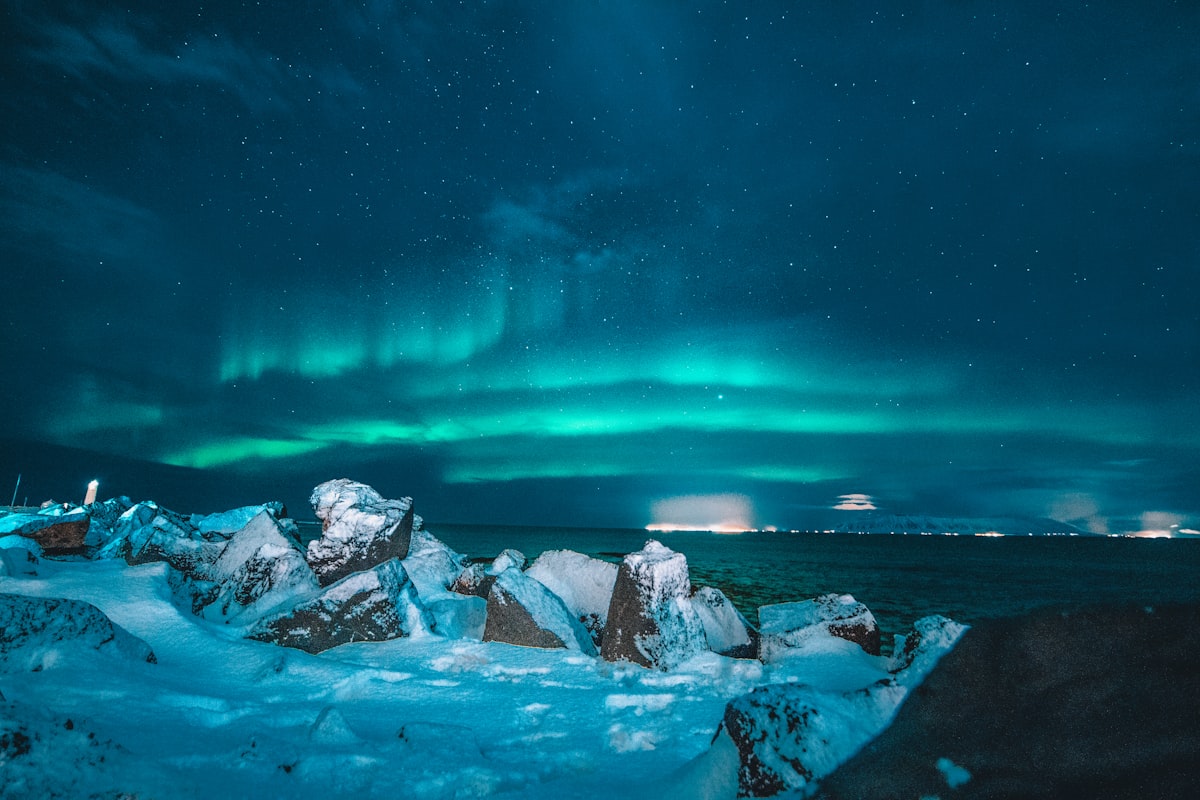
Iceland has always been a bucket-list destination, but 2026 is shaping up to be a truly extraordinary year. We are currently approaching the Solar Maximum—the peak of the sun's 11-year solar cycle. For travelers, this means one spectacular thing: the Aurora Borealis (Northern Lights) will be at their most frequent and intense in over a decade.
Combining the chase for the Northern Lights with a self-drive adventure along the iconic Ring Road (Route 1) offers the ultimate freedom to explore at your own pace. In this comprehensive guide, we'll walk you through the perfect 2026 itinerary, essential driving tips, and how to stay connected in the most remote corners of the North Atlantic.
Best Time to Visit in 2026
While the Ring Road is accessible year-round, your goals will dictate your timing. If the Northern Lights are your priority, you must visit during the "dark months" between September and April.
- Late September to October: Ideal for those who want to avoid the deep winter snow while still having enough darkness for the Aurora. Most highland roads are closed, but the Ring Road remains clear.
- February to March: Often considered the "sweet spot." The days are getting longer, providing more time for sightseeing, while the nights remain dark and the snow-covered landscapes are at their most magical.
- The 2026 Solar Peak: Scientists predict that 2026 will see some of the strongest geomagnetic storms of this cycle. This means the Aurora might be visible even during periods of lower activity, making a sighting almost guaranteed over a week-long trip.
The Ring Road Itinerary: 10 Days of Wonder
The Ring Road is approximately 1,332 kilometers (828 miles) long. While it's possible to drive it in 7 days, we highly recommend 10 to 12 days to allow for weather delays and spontaneous detours.
Days 1-3: The South Coast & Golden Circle
Start from Reykjavik and head to the Golden Circle (Thingvellir, Geysir, and Gullfoss). Then, move along the South Coast to see Seljalandsfoss and Skogafoss waterfalls. Don't miss the black sand beach of Reynisfjara near Vik. This area is famous for its dark skies, making it a prime Aurora hunting ground.
Days 4-5: Jokulsarlon Glacier Lagoon & East Fjords
Witness the floating icebergs at Jokulsarlon and the nearby Diamond Beach. The drive through the East Fjords is one of the most scenic in the world, with winding roads tucked between towering mountains and the sea. The remote fishing villages here offer a peaceful escape from the crowds.
Days 6-8: Lake Myvatn & North Iceland
The North is a land of geothermal wonder. Explore the bubbling mud pools of Hverir, the dramatic Godafoss waterfall, and the whale-watching capital of the world, Husavik. Soak in the Myvatn Nature Baths while keeping an eye on the sky for the green lights.
Days 9-10: Snæfellsnes Peninsula & Return
Before heading back to the airport, detour to the Snæfellsnes Peninsula. Home to the iconic Kirkjufell mountain (the most photographed spot in Iceland), it's the perfect place to conclude your journey with a final Northern Lights show.
Self-Drive Safety in 2026
Driving in Iceland requires respect for nature. The weather can change in minutes, and "wind storms" are no joke. Here are the golden rules for 2026 travelers:
- Check SafeTravel.is Daily: This is the most important website in Iceland. It provides real-time alerts on road closures, high winds, and avalanche risks.
- Choose the Right Vehicle: If you are visiting between October and April, a 4x4 SUV with studded tires is non-negotiable. Even on the Ring Road, icy patches and snowdrifts are common.
- Download the Aurora Forecast App: Use apps like "Hello Aurora" or the official Icelandic Met Office website (vedur.is) to track cloud cover and Kp-index levels.
- Never Off-Road: Off-road driving is strictly illegal in Iceland to protect the fragile moss and volcanic soil. Stick to marked paths and parking areas.
Photography Tips for the Aurora Borealis
Capturing the Northern Lights requires more than just a smartphone (though modern 2026 flagships do a great job!). For professional results:
- Use a Tripod: Essential for long exposures. The wind in Iceland is strong, so a heavy, stable tripod is best.
- Manual Mode: Set your aperture to the lowest possible (e.g., f/2.8), ISO between 1600-3200, and shutter speed between 5-15 seconds.
- Focus on Infinity: Switch to manual focus and set it to infinity (∞) to ensure the stars and Aurora are sharp.
The Vital Importance of Connectivity
In the land of fire and ice, your phone is more than just a camera—it's a survival tool. Reliable internet is critical for:
Navigation: While the Ring Road is straightforward, finding specific guesthouses, trailheads, or hidden hot springs requires GPS. Offline maps are great, but real-time traffic updates are better.
Safety Alerts: Receiving push notifications from SafeTravel.is can literally save your life if a sudden storm closes the road ahead of you.
The "Aurora Chase": Cloud cover changes rapidly. Having high-speed data allows you to check satellite maps on the go to find "clear sky holes" where the Aurora will be visible.
Traditional roaming fees in Iceland can be astronomical. Instead, using a RoamBest eSIM for Iceland provides instant 5G/4G connectivity the moment you land at Keflavik Airport. You can keep your home SIM active for calls while using affordable local data for everything else.
Conclusion: Embrace the Adventure
Iceland in 2026 is an experience like no other. The combination of the solar maximum's lights, the rugged beauty of the Ring Road, and the silence of the Arctic night is something that stays with you forever. Plan ahead, respect the elements, and ensure you're connected to make the most of every magical moment.
Safe travels, and may the lights dance for you!
Heading to Iceland in 2026?
Get your RoamBest Iceland eSIM today. Stay connected for weather alerts, navigation, and Aurora chasing across the entire Ring Road.