2026 Food-Themed Travel: Culinary Routes From Europe to Asia
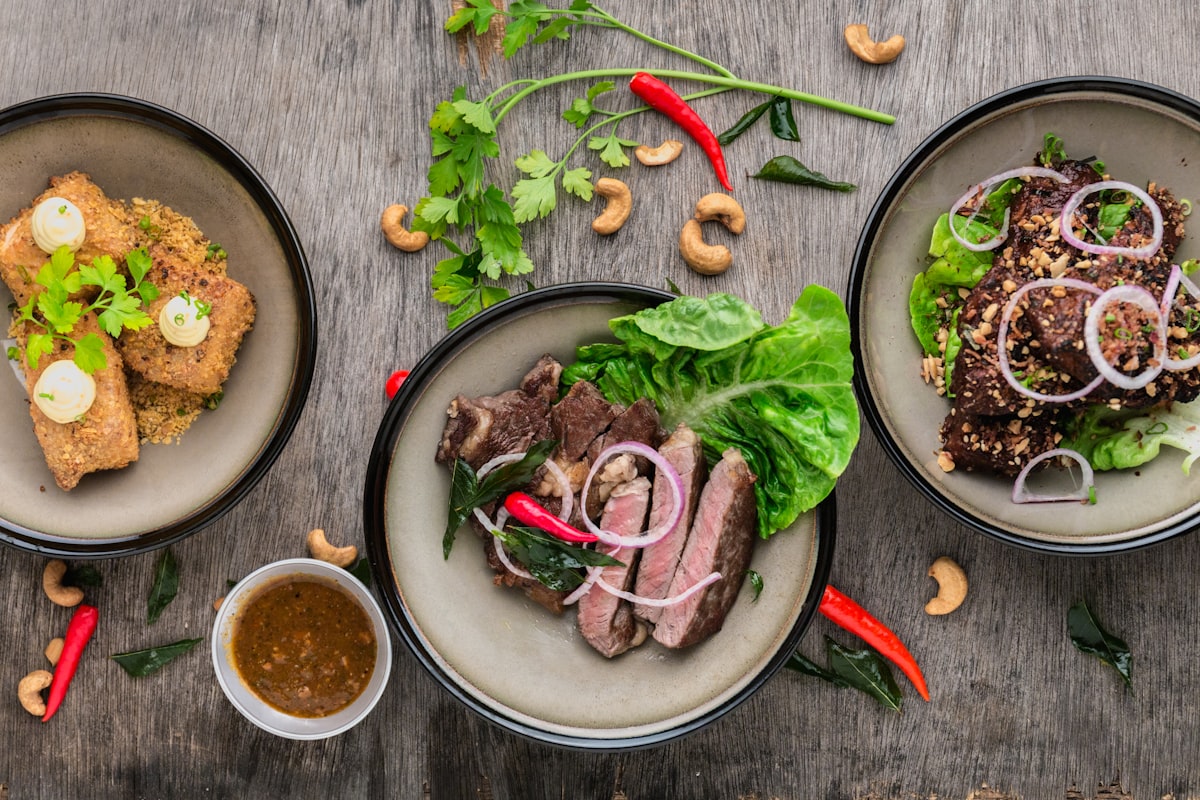
In 2026, food is no longer a side dish on a sightseeing itinerary—it is the itinerary. Travelers are booking trips around palate arcs: a sequence of cities where markets, wine bars, izakaya counters, and night markets tell one continuous story from Europe to Asia. Unlike a generic multi-city hop, a culinary route is paced around reservations, seasonal produce, and the quiet hours when kitchens are actually open. This guide maps a realistic three-to-four-week arc, explains how to stitch trains and one long-haul flight without burning out, and shows how a travel eSIM keeps maps, translation, mobile wallets, and last-minute table releases working when café Wi-Fi fails. Browse Europe and Asia packages, the Travel Guides hub, and Help Center before you fly—no login required.
Design your palate arc (not a checklist)
A strong food-themed route links three textures: technique (French sauces, Japanese knife work), terroir (Iberian ham, Thai herbs), and street rhythm (night markets, tapas hours). Pick one anchor dish per region—bouillabaisse in Marseille, pintxos in San Sebastián, ramen in Fukuoka—and let trains connect the dots. Avoid stacking three capital cities back-to-back; your stomach and reservation budget need recovery days with lighter lunches and long walks between courses.
Week 1 — Western Europe: Paris, Lyon, Barcelona
Start in Paris for bakery literacy: croissants at dawn, cheese at midday, bistros at night. Move to Lyon for bouchons and riverside markets—this is where many chefs train before spreading to Asia. Finish the European opening act in Barcelona: La Boqueria for produce, Gràcia for vermut, and a day trip toward Costa Brava for seafood paella without the tourist-trap pricing of the busiest beach strips. High-speed rail between these hubs is reliable; book seats on food-heavy travel days so you are not standing with fragile pastry boxes.
Reservation tip for 2026: Paris lunch services often release on weekly cycles; Lyon tables are easier mid-week. In Barcelona, dinner starts late—plan your eSIM alarm for 20:00 local when same-day cancellations appear on booking apps.
Week 2 — Mediterranean depth: Naples, Istanbul
Fly or train south to Naples for pizza archaeology—compare AVPN-certified margherita with contemporary topping labs in the historic center. Pair Pompeii as a morning walk, not a full-day detour, so evenings stay free for seafood along the coast. Then cross to Istanbul, the bridge city where Europe meets Asia on one plate: simit breakfasts, meze by the Bosphorus, and spice bazaar shopping for gifts that survive customs if sealed.
Istanbul rewards travelers who understand Ramadan and holiday calendars in 2026—some tasting menus shift hours. Keep one “flex night” without a reservation; the best lahmacun or balık ekmek often comes from lines locals trust, not glossy listings.
Week 3–4 — Asia finale: Tokyo, Bangkok, Singapore
Take one long-haul segment into Tokyo and Osaka: department-store depachika, standing sushi, and suburban ramen suburbs reachable on JR passes. Treat omakase counters as calendar anchors—book before flights when possible. Continue to Bangkok for contrast: boat noodles, mango sticky rice, and Michelin street stalls where mobile data must load queue apps in humid alleys. Close in Singapore for hawker center discipline (chope culture), Peranakan sweets, and a final “greatest hits” dinner that mixes Malay, Chinese, and Indian influences in one hawker crawl.
Asia segments burn energy fast—schedule afternoon resets (tea, foot massage, hotel pool) so evening tasting menus stay enjoyable. Carry stomach meds and oral rehydration salts; spice jumps from Europe to Thailand are real even for adventurous eaters.
Stay connected: eSIM strategy on a culinary route
Food travelers live on their phones: Google Maps alleyways, Translate menus, Apple Pay or local wallets, and screenshot-heavy reservation apps. Café Wi-Fi is unpredictable when kitchens peak. A travel eSIM per country—or a vetted Europe regional plan plus an Asia regional SKU—beats hunting plastic SIMs between train platforms.
- Install on Wi-Fi before border days; label profiles “EU-Food” and “Asia-Food” on dual-eSIM phones.
- Keep home-line SMS for bank and restaurant two-factor codes while data runs on the travel line.
- Cache offline maps for Tokyo subways and Bangkok sois—LTE is enough; do not chase 5G marketing in food alleys.
- Hotspot sparingly to share reservations with travel partners; read fair-use text if you tether a laptop for photo backups.
Compare France–Spain–Portugal eSIM notes, Japan corridor ranking, and Singapore travel eSIM guide when you split SKUs by region.
Budget, bookings, and pacing
Food-themed travel in 2026 spans budgets. Street-forward weeks in Bangkok and Naples can stay moderate; Paris omakase and Tokyo counters climb fast. A practical split: 40% dining, 25% transport, 20% lodging near markets, 15% buffer for wine pairings and canceled trains. Book refundable hotels until your first three dinners are confirmed. Travel insurance with medical evacuation is worth it when trying raw seafood across climates.
Pack light: one dress layer for fine dining, comfortable walking shoes, and a foldable tote for market buys. Photograph menus you loved—translation apps work better on crisp text than blurry chalkboards.
Important Notes
Food-themed travel rewards preparation but punishes assumptions. Treat these points as non-negotiable guardrails before you board the first train or long-haul flight.
- Reservation windows vary by city. Tokyo omakase and Paris tasting menus may open months ahead; Mediterranean trattorias often confirm only days out. Build your route around confirmed tables, not wish lists.
- Food safety shifts by climate. Raw seafood, street ice, and unrefrigerated sauces carry different risk in Naples heat versus Bangkok humidity. When in doubt, choose busy stalls with high turnover.
- Customs rules for edible souvenirs. Cured meats, fresh cheese, and spice mixes face strict import limits—especially when returning to the US, UK, Australia, or Japan. Buy sealed, labeled goods and check official agriculture notices before packing.
- Connectivity before appetite. Install your travel eSIM on hotel Wi-Fi the night before border crossings. Restaurant apps, mobile wallets, and translation tools fail at the worst moment when you rely on café Wi-Fi during peak dinner service.
- Pace your palate. Schedule one lighter lunch or market-only day per week. Multi-course fatigue is real on a three-to-four-week arc—and ruins the reservation you waited months to secure.
- Carry proof for dietary needs. Allergy cards in the local language plus a phone screenshot beat improvised gestures at busy counters. Pre-email fine-dining kitchens; street vendors need simpler yes-or-no signals.
- Keep home-line SMS active. Bank alerts, reservation confirmations, and two-factor codes often route through your primary number even when data runs on the travel eSIM.
Trip FAQ
Can I do Europe-to-Asia food travel in two weeks?
Yes, but narrow the scope: choose either Western Europe + one Asian hub (e.g., Paris–Barcelona–Tokyo) or Mediterranean + Southeast Asia (Naples–Istanbul–Bangkok). Full arcs need three to four weeks to avoid meal fatigue.
Which eSIM fits a train-heavy Europe week?
A multi-country Europe regional eSIM reduces profile swaps on Paris–Lyon–Barcelona legs. Verify every stop country appears in the published matrix before checkout—not just a marketing map thumbnail.
How do I handle dietary restrictions abroad?
Learn three local phrases (gluten, shellfish, pork) plus English backup cards. Pre-email fine-dining restaurants; street stalls need simpler yes/no gestures. Data connectivity matters—download allergy text offline when possible.
Taste the route, then connect it
A 2026 food-themed journey from Europe to Asia is really a story told in courses—markets at sunrise, trains at noon, reservations at night. Plan backwards from the tables you care about, keep one flex day per week, and let your eSIM handle the invisible work: maps, payments, and last-minute seats. When the meal ends, the memory stays; the connectivity should never be what you worry about.
Europe & Asia travel eSIM — Stay connected between courses
Browse Europe, Asia, and multi-country plans for food-themed routes. Compare coverage, hotspot rules, and data tiers—no account required. More guides: Travel Guides hub. Questions: Help / FAQ.